

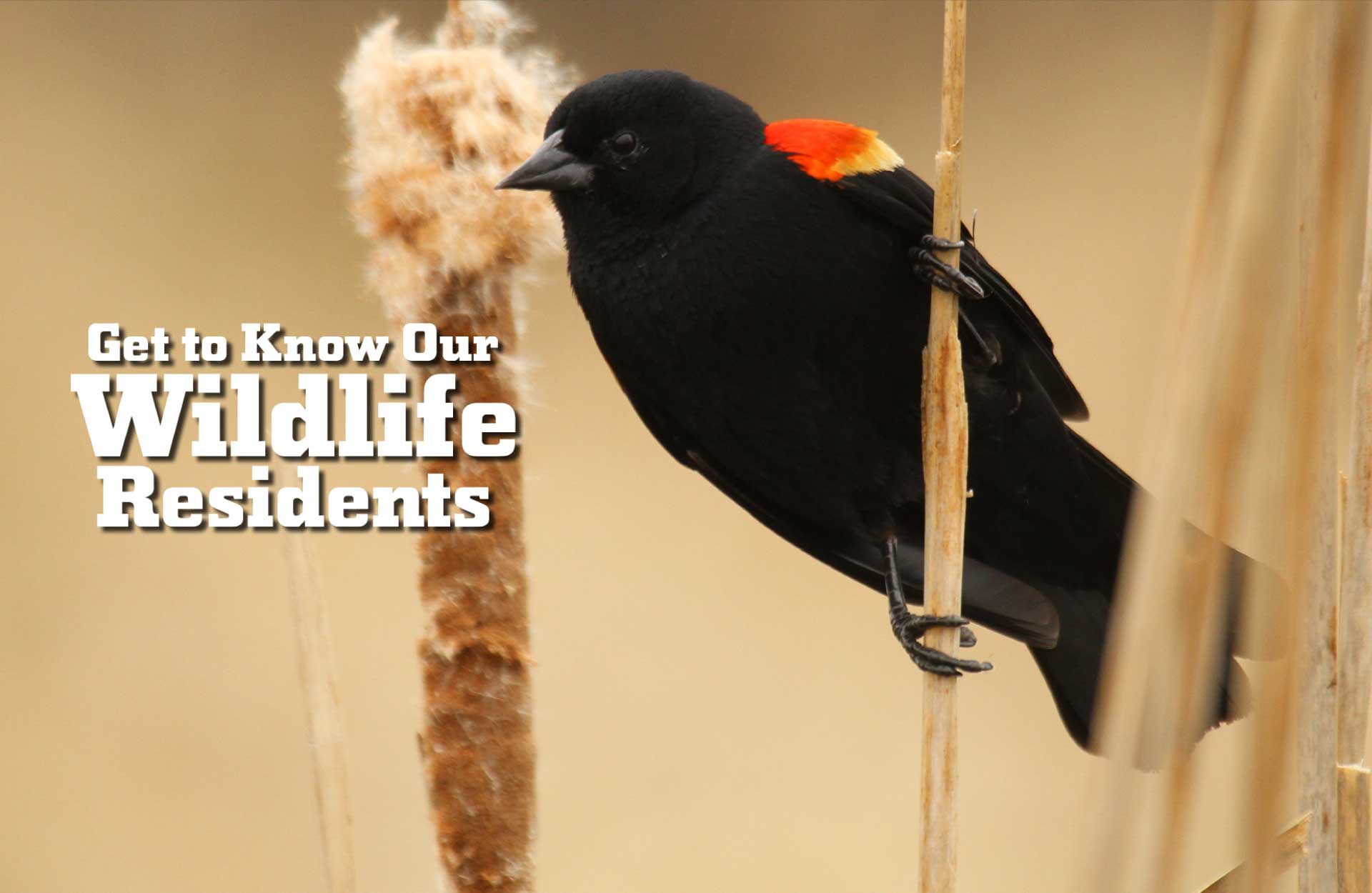
Red-winged blackbirds are common on trails and in open spaces. Like their human counterparts, they can become aggressive when protecting their young. Red-winged blackbird attacks happen when you get too close to their hidden nests. During breeding season (spring and summer), highly territorial males will aggressively dive-bomb, squawk at, and sometime lightly strike any perceived threat to their eggs or fledglings. Their breeding turf is typically hidden in dense reeds, cattails, or low shrubs near a water source. If you wander into this territory, they will swoop down toward the back of your head in an effort to drive you away. They are usually just startling you, though they can make contact with their claws.
How to Protect Yourself
- Wear a Hat or Carry an Umbrella: This protects your head from sharp claws and creates a larger, intimidating silhouette.
- Make Eye Contact: These birds usually attack from behind or above. If you know one is in the area, look directly at it or turn around periodically; the birds will often pull up and back off if they realize you are watching them.
- Use a Stick or Raise Your Hand: Holding a long stick, walking pole, or simply raising your arm or a bicycle pump above your head provides the bird with a higher point of contact.
- Take an Alternate Route: The best defense is simply changing your path for a few weeks until the nesting season is over.
Because Red-winged Blackbirds are protected migratory songbirds, you cannot legally harm or capture them. The swooping behavior will naturally stop once the chicks have fledged and left the nest.
Yes, Red-winged Blackbirds can recognize and remember individual human faces. If you frequently visit a local park or walk near their nesting area, they will remember you. They can tell the difference between a regular, non-threatening passerby and someone who has previously disrupted their territory.



